

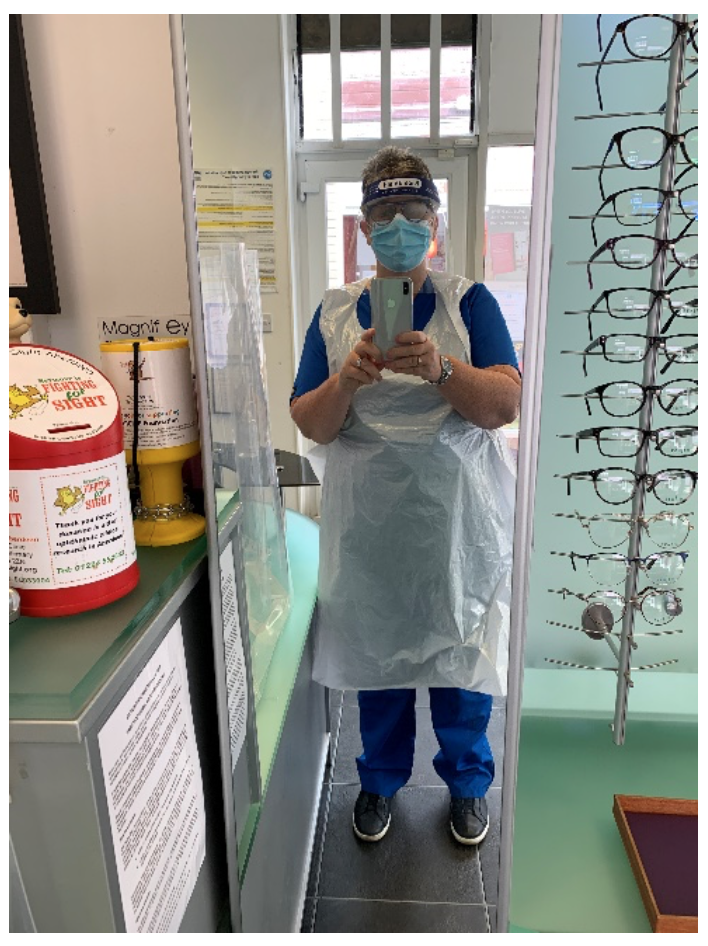
A New Year has dawned and whilst we are glad to see the back of 2020, I honestly believe we will have to endure some more hardships in my part of the world before we can return to what almost everyone is referring to as the new normal.
In Scotland, on Boxing Day (December 26th) 2020, the First Minister announced another ‘lockdown’ with all planned easing of restrictions at Christmas being scrapped. The Scottish Government said that the measures were necessary to combat the new strain of coronavirus. They also reminded all inhabitants to
STAY HOME. STOP THE SPREAD.SAVE LIVES.
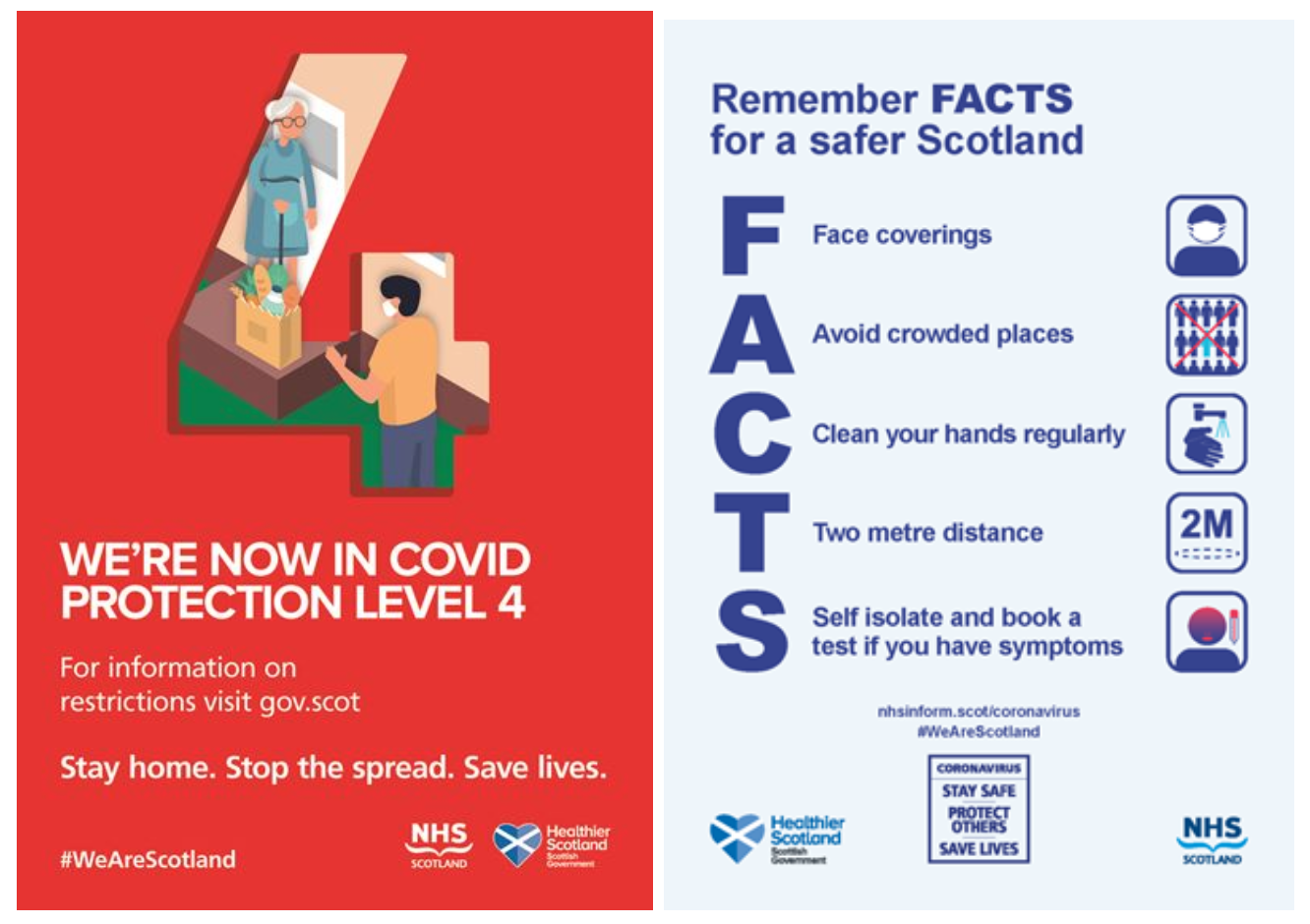
NHS Fife and NHS Borders
This lockdown is different to the one we endured in 2020 – there are subtle differences – especially in the provision of eyecare.
In 2020 all retail outlets, including optical, dental and associated healthcare practitioners’ premises were closed down – eyecare essential and emergency episodes were triaged by practices remotely from behind locked doors and only the most severe were seen face to face at newly installed Emergency Eyecare Treatment Centres (EETC’s) – which were hastily set up in the community, utilising community based practices and staffed by Independent Prescribing Optometrists and Optometrists and Dispensing Opticians. All cover was by those who volunteered (subject to a minimum age restriction) their services to provide emergency and essential eyecare to those most in need and brought colleagues from often rival practices together in delivering the highest possible care to patients.
Two optometrist colleagues of mine answered the call to provide essential services – in addition to manning our phones and triaging our own patients. More info can be found in an article one of them wrote at the time for the College of Optometrists.
This lockdown has been somewhat different. The advice has been to continue to be open – albeit with a locked door – as ‘essential services’ we are still ‘open’ prioritising emergency and essential eyecare needs – only now seeing ‘routine’ appointments if capacity allows. In reality, we are seeing fewer patients, footfall in general has dropped and patients are not keen to come in just now whilst the government advice is still to Stay Home.
Practicing in Scotland, has been for us a bit of a rollercoaster as it has for colleagues around the world. Whilst we are very much a part of the UK, Health is a devolved power and the Scottish Government (in my opinion) have been quicker to react to certain situations and have put in place procedures and plans to enable us to continue delivering vital healthcare to patients and have also supported us financially and procured the swift rollout of all PPE required to be worn in practice when seeing patients face to face.
It has been challenging being in practice, the donning and doffing of PPE between patients and extra cleaning regimes we have had to employ in order to make our practice as safe as possible has been time consuming and at times tedious – however this said we would do everything in our power to keep our staff, patients and ourselves as safe as possible. We have been fortunate too; we were in the second group to be vaccinated against COVID – the first group being our most vulnerable elders who are resident in care homes and their care workers. All those working in optics – optometrists, opticians and support staff were classed as frontline healthcare workers and we received our first vaccine in the second week of January.
I think if working through and during a pandemic has taught us anything it is that we are resilient and speaking for my profession, the overriding ethos has been to care for our patients and the public in general. Whilst our load has not been as heavy as colleagues in our NHS who are really on the frontline – I am thinking of those doctors, nurses, lab techs, cleaners, and the whole myriad of care givers who all work tirelessly for the benefit of the most ill and vulnerable in hospital, it has been stressful and for some overwhelming. Several colleagues have struggled with their mental health and coming to terms with what is actually happening – again, the Scottish Government have put in place online and in person resources to help with this. Financial support has also been put in place to enable practices on the High Street to continue delivering services in the here and now but also moving forward as we emerge from this period of uncertainty; we have viable businesses to return to.
My hope for 2021 is that we continue to evolve in the ways we actually deliver services to our patients – we are a resourceful bunch – technology has a part to play – virtual appointments utilising online video appointments have been particularly helpful – software such as “AttendAnywhere” and “NearMe” have allowed practitioners to conduct appointments remotely and clever ‘gadgets’ hooked up to mobile phones and slit lamps have allowed the local ‘on call’ ophthalmologist to consult with a patient maybe 50 or 60 miles away! Also, dispensing services have changed – personally, I have never delivered so many spectacles or carried out a mobile repair service from the boot (trunk) of my car!
I think the biggest thing for me is that we really do learn something from what we have endured – I would hate to have to go through anything like this again – I truly do hope it is a once in a lifetime experience. However, that said, it is often what we learn in life that makes us stronger and as a profession I hope we are and I for one am very much looking forward to coming out the other side later in this year – vaccine programmes are underway throughout the globe – it is so heartening to see this!
So, from rural Aberdeenshire, stay safe, and keep doing what you do so well – #OpticiansRock.
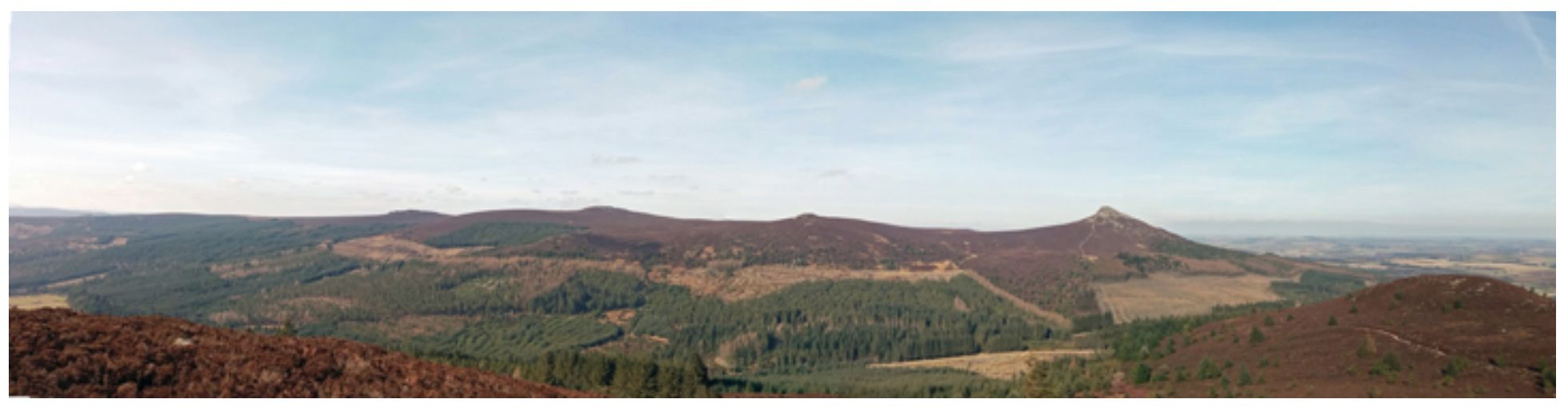
forestryandland.gov.scot
Topic: Optical News
There are lots of benefits to becoming a member of the IOA:
Our sponsors


