

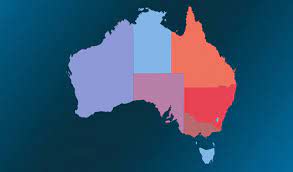
While the COVID 19 pandemic has overwhelmed Australia as it has for much of the world, we are fortunate to have dodged many of the tragic outcomes experienced by so many other countries. The reasons for that are many and varied and will no doubt be deliberated and evaluated for a long time to come.
At the time of writing this (June 30), Australia has recorded 7,834 confirmed cases, 104 deaths and 7,037 people have recovered from the virus.
Most of the six states and two territories that make up the federation of Australia have managed to contain COVID 19, with the rate of community spread in some states being zero for the past few weeks, including in my state of Western Australia (WA). However, a sudden escalation of the number of community transmissions recorded in Melbourne over the past week has presented a stark reminder of how vulnerable we remain to the pandemic.
In mid-March the federal Government enacted a sudden and harsh response to quell the spread of the virus by closing down non-essential businesses, enforcing lockdowns, border closures and a compulsory two-week self-isolation for anyone returning to Australia from overseas. The responsibility of easing these restrictions are being managed by the various states and territory Governments in a phased-in approach. A few days ago, WA entered an almost total easing of restrictions apart from keeping our borders closed.
Australia’s response to containing the virus has noticeably kept the population safe but has shattered the economy. The country was experiencing a world record 29 years of economic growth until Coronavirus plunged us into recession. Unemployment has risen from 5.2 percent at the beginning of the year to 7.1 percent as of now with the worst prospects expected over the coming months.
At the time of the lockdown, businesses were assessed to be either essential or non-essential, and businesses with the latter title were forced to shut their doors. Optical businesses were considered essential, but with restrictions on what services we could undertake. Ophthalmology and optometry were only permitted to see patients with an emergency and with urgent needs. The interpretation of those needs was left up to the practitioner to decide, which resulted in many optical outlets deciding to shut the doors, others scaling down and some just ignoring the instructions to practice as usual.
Our business scaled down to around a quarter of its usual capacity for a few weeks. Like many other businesses, we chose to also minimise the number of staff in the business at any one time.
Australians were fortunate that in a unique show of bipartisanship between state and federal governments and opposition parties, a financial stimulus response was agreed upon and rapidly enacted, which lessened the financial blow caused by the lockdown.
I have had several discussions with Australian colleagues about how their businesses have being affected by the pandemic and their responses has been varied. However, most nervously hope that the worst is behind us. For me business is starting to appear normal again, notwithstanding the implementation of a raft of measures for keeping everyone safe.
Topic: Country spotlight
There are lots of benefits to becoming a member of the IOA:
Our sponsors


