

During this time of isolation and social distancing, many optical practices are closed for face-to-face consultations but are open for telephone consultations of an emergency or essential nature, such as a patient with a sudden loss of vision or a keyworker who has broken their spectacles.
The first contact these patients may have with you and your practice is by telephone and it is vital that we deal with them quickly and effectively.
Every call we answer is an opportunity to provide information and assistance, clinical care or products and build or enhance relationships with your patients. Patients will form their opinions of us and our organisation by how well we handle their call.
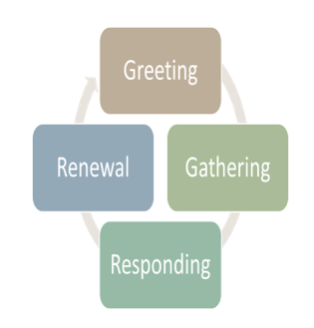
In every call, the Greeting sets the scene. Patients calling will be anxious; we must be Pleasant, Professional and Polite. We must speak clearly and allow the patient to speak.
Next we move to Gathering information. We must listen carefully and be ready to take notes; we need to show we are listening by being silent and using words like ”yes” or “I understand” and also by asking relevant questions to uncover the nature of their call.
Having carefully listened to the caller; it’s now time to Respond. How we respond will depend on what the issue is. Careful triage will equip us to answer the query ourselves or have appropriate information to forward to a colleague (if the emergency is of a more clinical or sight threatening nature). If we need to transfer the patient to a colleague, advise them clearly you will pass them to the person most suited to help them and ask for permission before doing so, or, if they can’t hold, offer to ask the optometrist to call them back – make sure you have a number they can be contacted on.
We now come to the ending of the call (or your part in it if transferring). This phase is the Renewal. The final stage of the call is very important – many businesses fail to maximise it. Just as the Greeting sets the tone, the farewell leaves a lasting impression. Tips for closing are; be personal not programmed – say what comes naturally – not “thankyoforcallinghaveaniceday” something like – “I really hope your replacement spectacles are here tomorrow, I’ll call to confirm when they arrive”.
In conclusion, speak to people in the way you would expect to be spoken to yourself; during this unique time in history, people will be stressed and we must do our utmost to help them.
Triage forms specifically designed for use in remote consultations whether they are for clinical issues, replacement spectacles or contact lenses are invaluable in ensuring the correct questions are asked to gain enough information for you to be able to help your patient.
Here are some examples of triage forms which can be used in remote consultations:
Topic: Optical News
There are lots of benefits to becoming a member of the IOA:
Our sponsors


